Acadia National Park, located in the state of Maine, is one of the most popular national parks in the United States, attracting millions of visitors every year. The park covers over 47,000 acres of diverse landscapes, from rocky coastline to towering mountains and pristine forests, providing opportunities for a wide range of outdoor activities and adventures.
Here is a comprehensive guide to help you plan your trip to Acadia National Park, including the best things to do, see, and experience.
History and Geography of Acadia National Park
Acadia National Park was established in 1916, making it the oldest national park east of the Mississippi River. The park was initially created to protect the diverse and unique ecosystems of Mount Desert Island and the surrounding area, which were threatened by deforestation and development. Today, Acadia National Park is a prime example of conservation and preservation, showcasing some of the most stunning natural landscapes in the country.
The park is located on Mount Desert Island, a rugged and beautiful island located off the coast of Maine. Mount Desert Island is the largest island along the Maine coast and is home to several small villages, including Bar Harbor, the largest town on the island and the primary gateway to the park. The island is surrounded by the Atlantic Ocean, and visitors can enjoy stunning views of the ocean and its coastline from many parts of the park.
What to See and Do in Acadia National Park
Acadia National Park is a treasure trove of natural beauty and outdoor adventures, offering something for visitors of all ages and interests. Here are some of the most popular activities and attractions in the park:
Hiking – With over 120 miles of trails, ranging from easy walks to challenging summits, hiking is one of the best ways to experience the beauty of Acadia National Park. The park is home to several famous trails, including the Precipice Trail, Jordan Pond Path, and the Beehive Trail, each offering unique and breathtaking views of the surrounding landscape.
Biking – Biking is another great way to explore the park and its surroundings. The park has a 45-mile carriage road system that is perfect for biking, offering scenic views and a peaceful escape from the hustle and bustle of everyday life.
Scenic Drives – For those who prefer to relax and take in the views from the comfort of their car, the park has several scenic drives that offer stunning panoramas of the surrounding landscapes. The 27-mile Park Loop Road is one of the most popular drives, providing access to several of the park’s most popular attractions, including Thunder Hole, Otter Cliff, and Jordan Pond.
Wildlife Viewing – Acadia National Park is home to a wide variety of wildlife, including moose, deer, foxes, and even black bears. Visitors can go on a wildlife watching tour or simply keep an eye out while exploring the park to spot some of the area’s unique and fascinating creatures.
Boating and Kayaking – The park’s location on the Atlantic Ocean means that visitors can also enjoy boating and kayaking activities. The park’s lakes and ponds, including Jordan Pond and Eagle Lake, are popular spots for kayaking, while visitors can go on whale watching tours or rent a boat to explore the park’s stunning coastal waters.
Camping – Acadia National Park has several campgrounds, including Blackwoods Campground, Seawall Campground, and Schoodic Woods Campground, making it an ideal destination for those who love camping and spending time in the great outdoors.
Ranger-led Programs – The park offers a wide range of ranger-led programs, including guided hikes, wildlife watching tours, and educational programs, giving visitors the opportunity to learn more about the park’s history, ecology, and wildlife. These programs are a great way to deepen your understanding of Acadia National Park and its unique and diverse ecosystems.
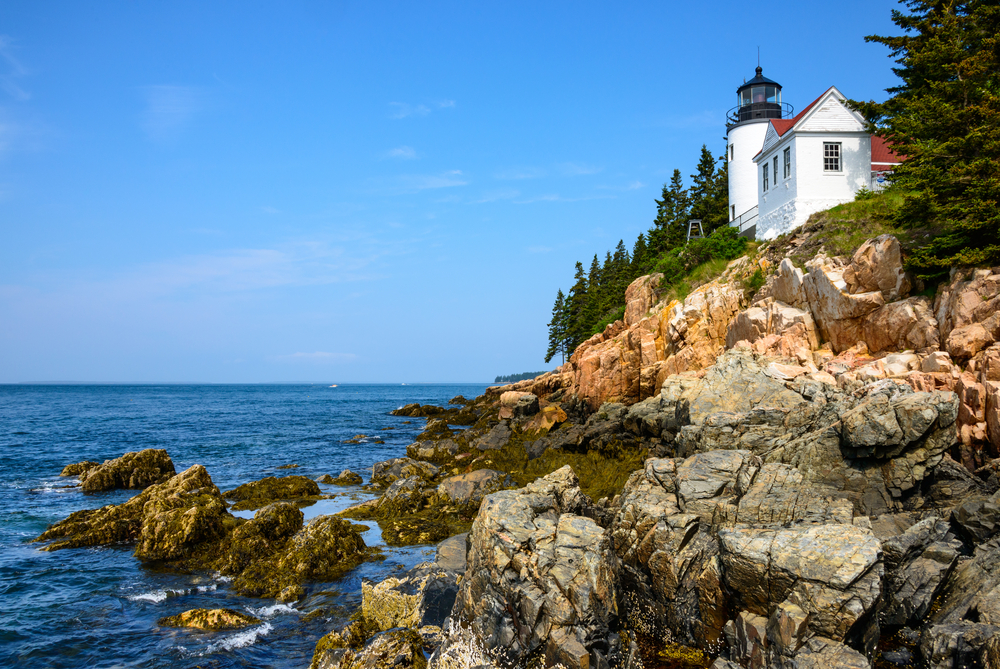
Historic Sites – The park is also home to several historic sites, including the Bass Harbor Head Lighthouse and the Sieur de Monts Spring, offering visitors a glimpse into the park’s rich history and cultural heritage.
Rock Climbing – For the more adventurous, Acadia National Park offers some of the best rock climbing opportunities in the country. The park’s cliffs and mountains offer challenging routes for experienced climbers, as well as beginner routes for those who are just starting out.
Best Time to Visit Acadia National Park
The best time to visit Acadia National Park depends on your personal preferences and what you want to experience during your trip. Summer is the peak tourist season, with warm weather and long days, making it an ideal time for hiking, biking, and other outdoor activities. However, this also means that the park can get crowded, so it is important to plan ahead and make reservations for campsites and popular attractions.
Fall is another popular time to visit, with stunning autumn colors and cooler temperatures, making it perfect for hiking and exploring the park’s scenic drives. Winter is a more peaceful time to visit, with fewer crowds and the opportunity to experience the park’s beauty in a different way, including cross-country skiing, snowshoeing, and winter hiking.